Ever wonder why some bars feel effortlessly inviting, drawing you in and keeping you there longer than expected?
It’s not just about skilled bartenders or an impressive cocktail menu—it’s the lighting.
The most successful bars today aren’t just serving great drinks; they’re strategically using lighting to shape guest behavior and boost sales. Subtle shifts in brightness and shadow aren’t just atmospheric—they’re psychological triggers guiding your choices without you even realizing it.
Dim Lights, Bigger Tabs
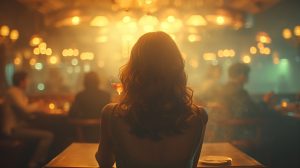
Lowering the lights by 40% does more than set the mood—it alters brain chemistry.
Studies in hospitality lighting reveal that dim environments cause pupil dilation (a natural response linked to attraction and focus) while also reducing cortisol levels by 18%, promoting relaxation and a sense of ease.
In this setting, guests feel less self-conscious and more comfortable indulging. The results speak for themselves—one London pub saw a £17 per-tab increase simply by adjusting its lighting, mirroring research showing that low-lit diners are three times more likely to order dessert than those in bright spaces.
Less stress, more spending—it’s a simple yet effective formula.
The Illusion of Time
Ever notice how time seems to slip away in a dimly lit bar?
That’s intentional.
Research suggests that around 38 lumens is the ideal level where an hour feels like 30 minutes. Guests in mood-lit spaces stay 22% longer on average. But lighting doesn’t just affect time perception—it also influences how quickly people drink.
Bright environments encourage faster drinking (an average of 3.5 drinks per hour), whereas dimmer settings slow the pace to 4.8 drinks per hour. The result? Longer stays and higher overall spending.
Shadows and Top-Shelf Sales
It’s not just about how long guests stay—lighting also impacts what they buy.
A Georgia State study found that customers in dimly lit spaces spent 39% more on alcohol than those in brightly illuminated rooms. Why? Because people monitor their spending less when the atmosphere is shadowed and intimate.
In well-lit settings, guests are more mindful of ordering that extra round. But in a softly lit space, they’re 73% more likely to opt for premium liquor. Smart bar owners enhance this effect by keeping the general ambiance dark while using subtle lighting to spotlight high-end bottles—naturally drawing attention (and purchases) toward top-shelf options.
Lighting Strategies for Maximum Profit
Want to transform your bar into a high-revenue hotspot? Try these proven techniques:
- Use warm, dimmable LEDs (2700K-2200K) to replicate the glow of candlelight, increasing per-tab sales by an average of £62.
- Install low-level pathway lighting (max 150 lux) to maintain ambiance while ensuring guest safety.
- Adjust lighting throughout the evening—brighter before 8 PM to drive food sales, then gradually dimmed to encourage longer stays and increased drink orders.
Ultimately, lighting isn’t just an aesthetic choice—it’s a powerful tool for shaping customer behavior and driving profits.
As one bar owner put it: “We’re not just selling drinks—we’re selling the confidence to order another.” By understanding how lighting influences spending, bars can create an atmosphere that feels inviting, intimate, and ultimately more profitable.