Beer isn’t just for drinking—it’s a culinary powerhouse that chefs have been using for centuries. From adding depth to sauces to tenderizing meats, beer has become a staple ingredient in many restaurant kitchens. But what makes beer such a great addition to the menu? Let’s dive into the reasons why chefs love cooking with beer and how it enhances the dining experience.
1. Enhances Flavor
Beer is packed with complex flavors that can elevate a dish. Depending on the type of beer, it can add notes of caramel, citrus, spice, or even chocolate. A rich stout can bring deep, roasted flavors to stews and desserts, while a hoppy IPA can add a bitter contrast to sweet or fatty ingredients. The variety of beer styles allows chefs to play with different taste profiles to create unique dishes.
2. Tenderizes Meats
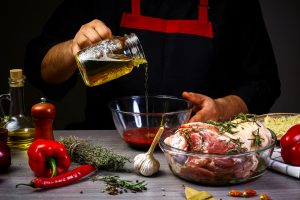
Beer is a natural tenderizer, thanks to its acidity and enzymes. Marinades that include beer help break down proteins, making meats juicier and more flavorful. A slow-cooked beer-braised brisket, for example, becomes incredibly tender as the beer works its magic over time.
3. Adds Depth to Sauces and Soups
The maltiness of beer adds a rich, umami-like depth to sauces and soups. A splash of beer in a cheese sauce, chili, or French onion soup enhances the dish’s complexity without overpowering the other ingredients. Many chefs use beer as a deglazing liquid to lift flavorful bits from the bottom of a pan, creating a more robust sauce.
4. Perfect for Batters and Doughs
Beer’s carbonation makes it a fantastic ingredient for batters, creating a light and crispy texture for fried foods. Beer-battered fish and onion rings are classic examples. It’s also used in baking, where its yeast content helps dough rise and develop a subtle tangy flavor, perfect for beer bread or pretzels.
5. A Natural Pairing with Food
Restaurants love beer-infused dishes because they pair seamlessly with craft beer menus. When a dish is made with beer, it naturally complements a similar style of beer for drinking, enhancing the overall dining experience. A porter-braised short rib pairs beautifully with a pint of the same dark, malty beer, making for a cohesive and flavorful meal.
6. Seasonal Appeal
Beer’s versatility makes it a favorite ingredient for seasonal dishes. In the summer, light lagers and wheat beers enhance grilled seafood and fresh salads. In the colder months, dark ales and stouts add warmth to hearty stews and desserts. This seasonal adaptability helps restaurants keep their menus fresh and exciting.
It’s not just a trend
Cooking with beer isn’t just a trend—it’s a time-tested way to enhance flavors, improve textures, and create unforgettable dishes. Whether it’s a crispy beer-battered fish, a rich beer cheese dip, or a slow-braised beef dish, beer brings a unique depth that elevates restaurant menus. Next time you see a beer-infused dish on the menu, you’ll know exactly why it’s there—and why it’s likely to be delicious.