The Ultimate Guide to “Beer Savers” in Your Draft System
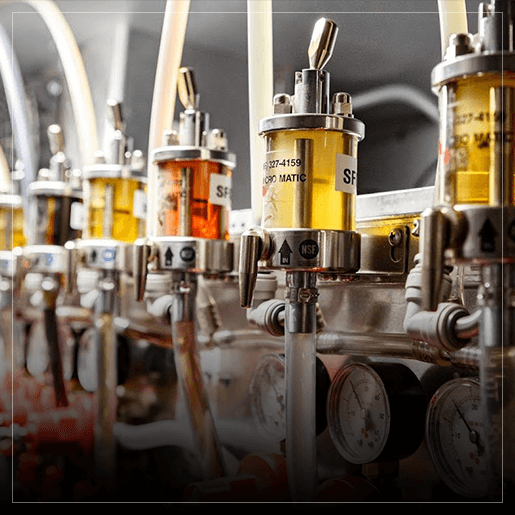
If you operate a bar, brewery, or any commercial establishment with a draft beer system, you’ve likely heard of a Foam-on-Beer (FOB) detector. Often called a “beer saver” or “foam detector,” this small but mighty component plays a crucial role in minimizing waste and maximizing profit.
But like any piece of equipment, it comes with trade-offs. Here is a balanced look at the pros and cons of installing FOB devices in your draft beer system.
✅ The Pros: Why You Need a Beer Saver
FOB devices are essential components, particularly in long-draw draft systems (lines over 25 feet), where the financial waste of foamed beer adds up quickly.
1. Significant Reduction in Beer Waste (Increased Profit)
This is the number one benefit. Without an FOB, when a keg empties (or “kicks”), the beer line depressurizes and fills with gas and foam. To get the next keg pouring correctly, a bartender must purge this gas and foam—often pouring an entire pitcher or more down the drain.
-
FOB Solution: The FOB instantly detects the foam caused by the empty keg and automatically shuts off the beer flow. This keeps the entire beer line full of liquid up to the FOB chamber.
-
The Savings: Depending on the line length, an FOB can save anywhere from 18 to 75 ounces (up to 4 pints) of beer per keg change. For a busy bar, this translates to thousands of dollars in saved product annually.
2. Dramatically Reduced Service Downtime
When a keg kicks, service stops. Your staff is busy dealing with foamy taps and purging lines.
-
FOB Solution: Because the line remains full, as soon as a fresh keg is tapped and the FOB is reset (a simple lever flip), the tap immediately pours liquid beer with minimal to no foam.
-
Customer Experience: Customers aren’t left waiting, and your bartenders stay focused on serving, not cleaning up messes or wasting time.
3. Cleaner and Safer Cooler Environment
Without an FOB, a blown keg can sometimes spray beer and gas inside the cooler, leading to a sticky, messy environment that requires immediate clean-up.
-
FOB Solution: By shutting off the flow, the FOB prevents the mess, keeping your cooler clean and reducing labor costs associated with clean-up.
❌ The Cons: Understanding the Drawbacks
While the benefits clearly outweigh the drawbacks for commercial long-draw systems, there are a few considerations and maintenance requirements to keep in mind.
1. Initial Investment and Installation Cost
FOBs add to the overall complexity and expense of setting up a draft system. You need one FOB for every beer line, which can be an upfront cost for a large installation.
-
Mitigation: The money saved from beer wastage usually covers the cost of the FOBs within a few months, making this investment a clear positive.
2. Required Staff Training
A common issue in bars is that new or untrained staff may not know the steps required to properly reset the FOB when changing a keg. If it is not reset correctly, the tap will still not pour.
-
Mitigation: Comprehensive training for all staff on the simple “reset and tap” process is essential to ensure smooth service.
3. Necessary Maintenance and Potential Issues
Because beer is constantly flowing through the FOB chamber, it is just as susceptible to mineral buildup (beer stone) and biological growth as the beer line itself. If the FOB’s float or vent valve becomes dirty or sticky, it can fail to operate correctly. A stuck vent valve, for instance, could accidentally bleed an entire keg of beer.
-
Mitigation: FOBs must be cleaned regularly during the scheduled beer line cleaning (ideally every two weeks) and should be disassembled for a thorough acid cleaning every quarter to prevent buildup.
The Final Verdict: Who Should Use FOB’s?
If your draft system is:
• Long-Draw (Over 25 ft.) a FOB is MANDATORY because it maximizes profit, prevents major waste, and is essential for these types of systems.
• Through-the-Wall a FOB is HIGHLY RECOMMENDED because it prevents mess and cleanup costs in the cooler/storage area.
Short-Draw / Kegerator a FOB is OPTIONAL because generally minimal beer is wasted.
For most commercial operations, the FOB detector is a crucial piece of equipment that pays for itself quickly, making it an indispensable part of a modern, profitable draft beer system.