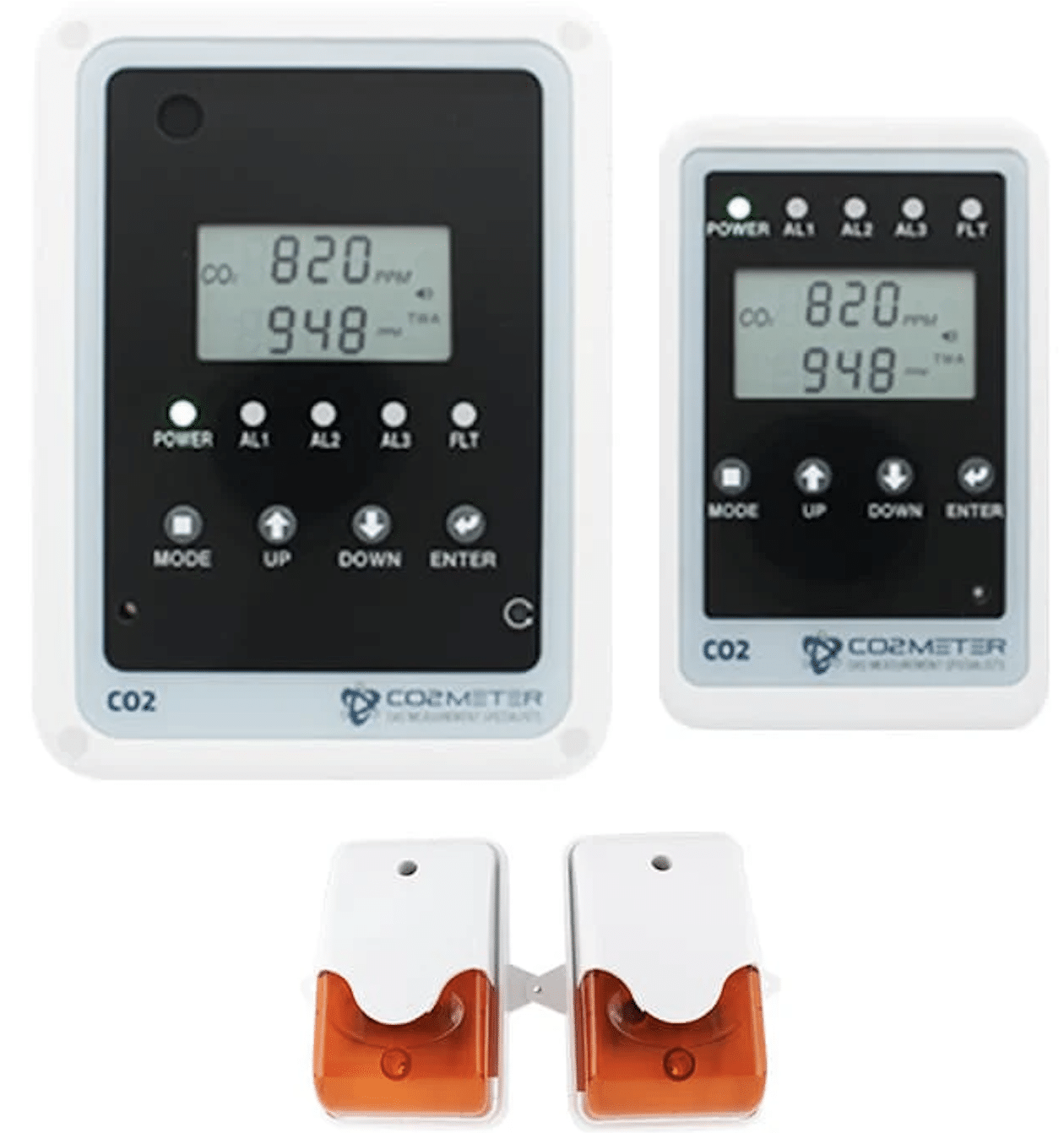
Why will a CO2 Safety Monitor Be Required in Your Bar or Restaurant
Bars, restaurants, breweries, and beer distribution centers use dispense gas to help pump beverages through beer lines or to carbonate fizzy drinks on-site. The dispense gas, which can be either carbon dioxide (CO₂) or a nitrogen (N₂) mix, have numerous functions, such as improving the taste of the beverage, keeping the contents of the keg sterile, and helping to maintain the draft beer equipment.
By law, establishments using dispensed gas are required to have safety monitors in place to protect themselves and their customers from the dangerous health effects of excessive exposure to CO2.
The Dangers of Excessive CO2 Gas Exposure
Low concentrations of oxygen in the air can affect respiratory function and result in rapid breathing, rapid heart rate, emotional upsets, fatigue, clumsiness, and lead to permanent damage of vital organs, including the heart and brain. High concentrations of CO2 can cause nausea, vomiting, collapse, convulsions, coma, and even death.
Updated Standards vs. Previous Requirements
The Occupational Safety and Health Administration (OSHA), the National Board Inspection Code (NBIC), the National Fire Protection Association, and the International Fire Code have set forth specific requirements and regulations for monitoring exposure to CO2 in the workplace, bars, walk-in coolers, fast food restaurants, theaters, and stadiums.
The International Code Council recently released regulations for dispensing carbon dioxide gas. According to Section 5307 Carbon Dioxide (CO2) Systems Used in Beverage Dispensing Applications, establishments using CO2 gas are required to follow guidelines for protection, ventilation, and emergency alarm systems.
- Required Protection. Indoor areas that hold carbon dioxide storage tanks, cylinders, piping, and equipment where a gas leak may occur are required to have ventilation or an emergency alarm system installed.
- Ventilation. The requirements for ventilation are:
- Mechanical ventilation: rate of no less than 1 cubic foot per minute per square foot.
- Exhaust should be removed from a point within 12 inches of the floor.
- Ventilation should be equipped to operate at a negative pressure in relation to the surrounding area.
- Emergency Alarm System. The system should provide continuous gas detection, have a threshold for activation that does not exceed 5,000 parts per million, and be able to initiate a local alarm within the room or area in which the system is installed.
What Steps Should I Take to Be in Compliance with Safety Standards for CO2 Detection?
Owners, operators, and managers can take the following steps to make sure their establishment complies with regulations for monitoring exposure to CO2:
- Complete a risk assessment to determine how many sensors are necessary. We recommend one sensor for 80m3.
- Research local legislation for exposure limits.
- Install a CO2 gas detection system and alarm that provides both visual and audible alerts.
- Configure the device to follow local legislation for exposure limits.
- Add the device to your routine of health and safety checks. We recommend logging an annual calibration and bump test for the CO2 sensor.
- Train staff members on emergency procedures in case of a gas leak.
Reach out to us for more information about this important equipment for your establishment.